Almond, square, oval, squoval, stiletto, coffin. The names sound like fashion, but a nail shape is mostly engineering. It decides where the nail is strong, where it snaps, and how often you will be back for a repair. At T & P Nails in Mooresville, the best shape is the one that fits your hands, your work, and the season you are heading into.
Piedmont seasons change what hands do. Spring means yard work and pollen cleanup. Summer means keyboards, pool days, and travel. Fall brings heavier chores, and winter brings dry indoor air that makes natural nails more brittle. A shape that survives July gardening may not survive January.
The main shapes, honestly described
Square has a flat tip and straight corners. It looks sharp on short to medium nails and suits wide nail beds. Those corners are also the weak point: they catch on pockets, gloves, and car doors, and they chip first. Squoval keeps the flat look but softens the corners, which is why it is the practical default for many people.
Oval and almond taper the sides toward a rounded tip. Almond is longer and narrower, oval is its shorter, sturdier cousin. With no corners to catch, both shed everyday knocks better than square at the same length, and they make short fingers look longer. Round is the shortest and toughest option, following the fingertip with almost no free edge.

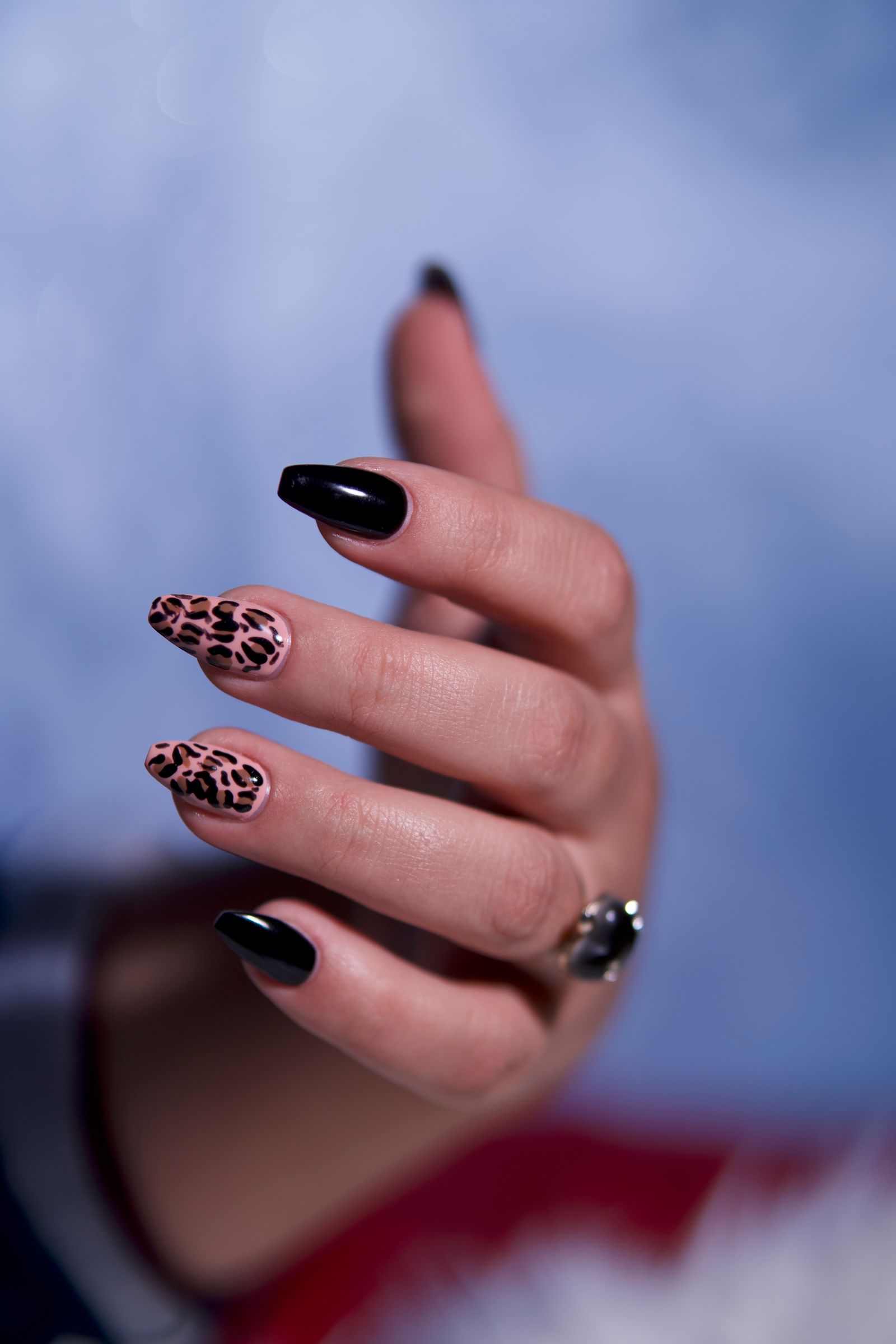
Coffin, also called ballerina, is long, tapered, and flat at the tip like a narrow shoe. Stiletto comes to a point. Both need length to look right, both are usually built with acrylic or dip for strength, and both ask for care. A pointed tip concentrates force at one spot, so a stiletto used as a tool for opening cans or peeling labels will not last long.
Matching shape to hands and work
Short nail beds look longer under oval and almond. Wide beds carry square and squoval well. If you type all day, keep the free edge short enough that the fingertip, not the nail, meets the keys first. Healthcare, food work, playing an instrument, and caring for small children all push toward round, oval, or short squoval. Gardening and warehouse work do the same, for a different reason: gloves snag long corners.
Seasonal shape check for Mooresville hands
- Spring: planning weeks of yard work? Shorten before the first big weekend, not after the first break.
- Summer: travel and swimming ahead? Almond or oval at a modest length survives luggage and pool days better than square corners.
- Fall: raking, stacking, and heavier chores return, so check corners for small cracks before they become breaks.
- Winter: dry air makes natural nails brittle; rounder shapes and shorter lengths break less in the cold months.
- Any season: if your job changed, your shape should be reconsidered at the next appointment, not endured until it fails.
- Before a big event: try a longer or sharper shape one appointment early, so you know whether you can live with it.
Strength follows a simple rule. Corners and points break; curves endure. Gel and shellac add a little protection, dip powder and acrylic add more, but no product makes a long, sharp shape as durable as a short, round one. Choosing shape is choosing how much maintenance you accept. A coffin set with a fill every few weeks is a fair trade for someone who loves the look. It is a poor trade for someone who wants to forget their nails for a month.
Changing shapes without wrecking the nail
You can usually move between neighboring shapes at a normal appointment: square to squoval, oval to almond, round to oval as length grows. Big jumps take time. Going from long coffin to short round is instant, you just lose length. Going the other way means growing or building length over several visits. Tell the technician the end goal, not just today's shape, so each filing moves in the right direction. And if one nail keeps breaking at the same corner while the rest hold up, that is useful information. Often the fix is a slightly rounder shape on that hand, or a touch less length, rather than a stronger product.
Common questions
Which nail shape is strongest?
Short and rounded shapes are strongest because there are no corners or points to catch and snap. Oval and round suit hard-use hands best.
Is coffin the same as ballerina?
Yes, the two names describe the same long, tapered shape with a flat tip. It usually needs acrylic or dip for enough strength at that length.
Can I change shape at every appointment?
Small changes are easy. Big changes in length take several visits to grow or build, so tell your technician the shape you are working toward.
Photos in this guide are representative stock images.
← All guides from T & P Nails← Back to T & P Nails