An ingrown toenail starts small. One corner presses into the skin beside the nail, the skin gets sore, and within a few days every shoe feels wrong. Most cases in Mooresville do not come from one bad pedicure. They build up from small habits repeated all year: toenails clipped into a curve, shoes that squeeze the toes together for long workdays, and corners dug out at home because they look untidy.
This guide from T & P Nails lays out prevention as a year-round calendar. Feet change with the seasons in Piedmont North Carolina, from sandals in a humid summer to closed boots after an ice storm, and the care that prevents ingrowns changes with them. It also draws a clear line. A salon can help keep healthy toenails trimmed and comfortable. A painful, red, swollen toe is medical care, not a pedicure appointment.
Why toenails grow in
Toenails grow forward from the base, and the edges follow the shape you cut. Clip the corners back at an angle and the new growth can angle into the soft skin at the side. Leave a tiny spike at one corner and it can act the same way. Pressure makes it worse. A narrow toe box pushes the big toe toward its neighbor and drives the corner down. Thick socks in winter add bulk inside the same shoe. A stubbed toe, a dropped toolbox, or a season of running can also thicken or curve a nail so it starts pressing where it never used to.
Genetics play a part too. Some people inherit wide, fan-shaped nails or nails that curl more than average, and they will fight ingrowns no matter how careful they are. For them prevention is about catching pressure early, before soreness turns into inflammation.
A year of prevention, season by season
| Season | What changes for your feet | Prevention that matters most |
|---|---|---|
| Spring | Sandals return, pollen season starts, yard work picks up | Resume regular trims every few weeks; file edges smooth after the first sandal days |
| Summer | Heat, humidity, pool decks, long days in light shoes | Keep nails straight across and dry feet well; wet skin softens and corners press in more easily |
| Fall | Closed shoes return, hurricane remnants soak socks and shoes | Check shoe fit again; dry shoes fully between wears and trim before boots season |
| Winter | Boots, thick socks, occasional ice and cold floors | Allow room for sock thickness; do not let nails grow long enough to press the front of the boot |
The pattern underneath the table is simple. Trim little and often rather than a lot at once, keep the edge straight, and treat shoe fit as part of nail care. Toenails typically grow much more slowly than fingernails, so a trim every few weeks is usually enough. Cutting them very short feels tidy for a day and invites trouble for a month, because the skin at the tip can fold over the short edge as the nail grows out.
The right way to trim
Cut straight across, in small snips, following the natural top edge of the nail. Leave the corners visible and slightly long rather than rounding them down into the sides. The nail should end roughly level with the tip of the toe, not behind it. A gentle file pass to remove sharp points is fine. Digging down the side with a pointed tool to lift or cut out a corner is not. That digging is the single most common home habit behind repeat ingrowns, because the corner grows back thicker and sharper, and broken skin beside the nail invites infection.

Shoes deserve the same honest look. There should be room to wiggle the toes, and the longest toe should not touch the front when you stand. Work boots and dress shoes are the usual offenders, especially at the end of a long day when feet have swollen slightly. If one toe is always sore by Friday, the shoe is telling you something a pedicure cannot fix.
Where salon care stops
During a spa pedicure at T & P Nails, a technician can soak, trim straight across, file gently, and clean around a healthy nail. That routine care helps prevention. What a salon should not do is dig out an ingrown corner, cut into inflamed skin, or treat a toe that is hot, swollen, draining, or streaked red. Those signs point to infection, and infection needs a podiatrist or your regular doctor. The same goes for anyone with diabetes or poor circulation in the feet. For those readers, even a small ingrown should go straight to medical care, and home digging is genuinely risky. Catching that line early is the difference between a short medical visit and weeks of limping.
Common questions
How often should I trim my toenails?
Every few weeks is typical, since toenails grow slowly. Trim little at a time, straight across, and never cut the corners back at an angle.
Can a pedicure fix an ingrown toenail?
A pedicure can maintain healthy nails and trim them correctly. A sore, red, or swollen toe needs a podiatrist, not digging or cutting at a salon.
Why does the same toe keep getting ingrown?
Usually a mix of curved cutting, pressure from a tight toe box, and the nail's natural shape. Fix the trim and the shoe fit first; a podiatrist can advise on repeat cases.
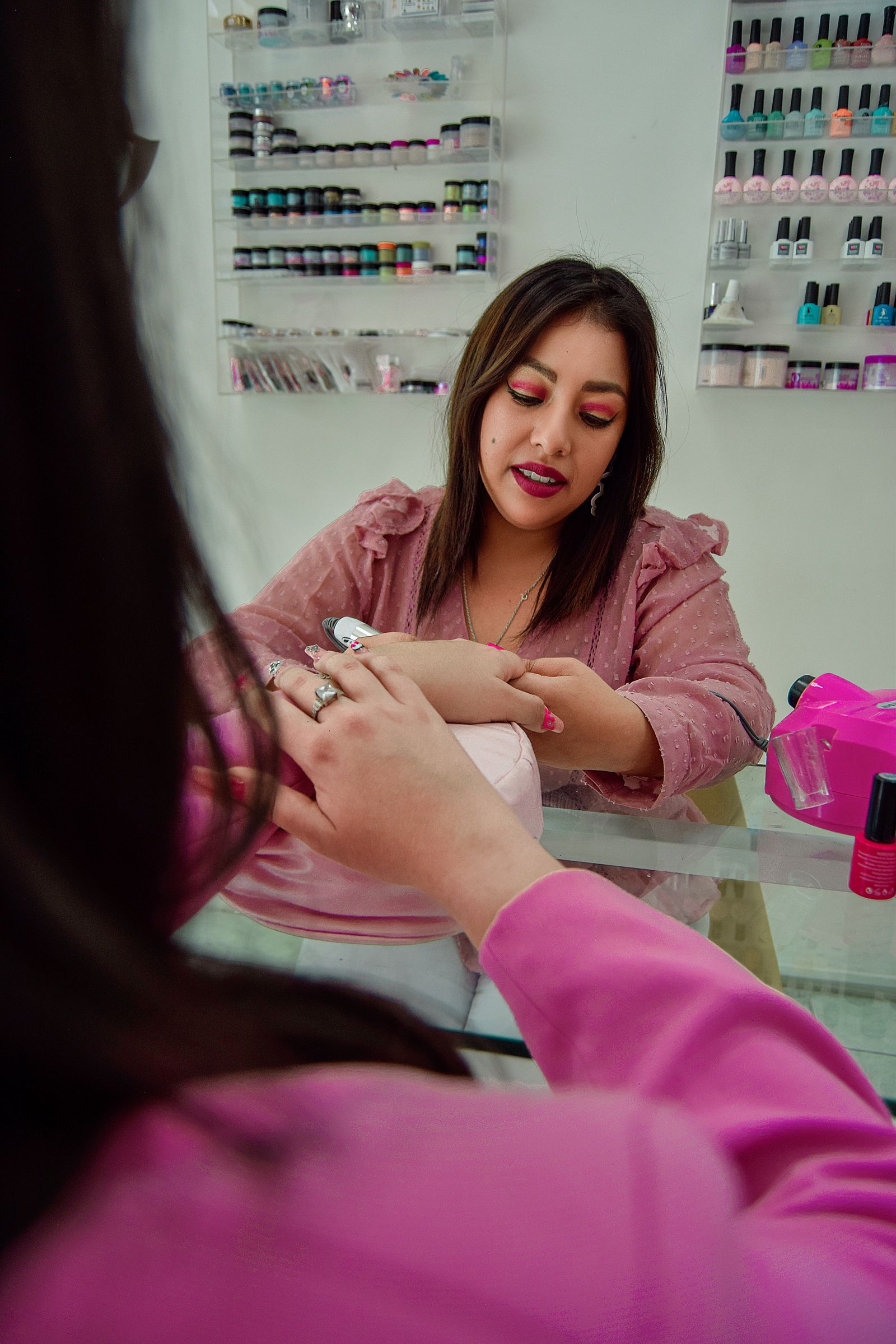
Photos in this guide are representative stock images.
← All guides from T & P Nails← Back to T & P Nails