If you have never had cuticle work explained, here is the short version: the cuticle is a seal, not a decoration, and the goal is to tidy it, not remove it. First-timers in Mooresville often arrive at T & P Nails expecting the cuticle to be cut off as a standard step. A careful manicure does something gentler, and understanding why will also change how you care for your nails at home.
The cuticle is the thin rim of skin where the finger skin meets the nail. Under it sits the matrix, the tissue that builds the nail. The seal keeps water, soap, and bacteria from reaching that growth area. Cut it away aggressively and you remove the seal, invite irritation, and often get hangnails and faster, rougher regrowth in return.
What happens at a first manicure, step by step
- Soak and soften. Hands soak briefly in warm water, or a softener is applied, so the skin at the base of the nail loosens without force.
- Push, gently. With a rounded pusher, the technician eases the cuticle back toward the knuckle in small motions. This should never hurt; sharp pain means too much pressure.
- Clean the plate. The thin layer of skin that grows onto the nail itself is lifted away, because polish cannot stick to it. This is tidying the surface, not cutting living skin.
- Trim only what is loose. A dead, lifted hangnail or a ragged flap may be nipped cleanly so it does not tear. Living, attached cuticle is left in place.
- Shape and polish. With the base tidy, filing and polish follow, and the finished edge at the base looks neat because the line is clean, not because skin was removed.
- Oil last. Cuticle oil or cream goes on after polish, to keep the seal flexible rather than to interfere with adhesion beforehand.
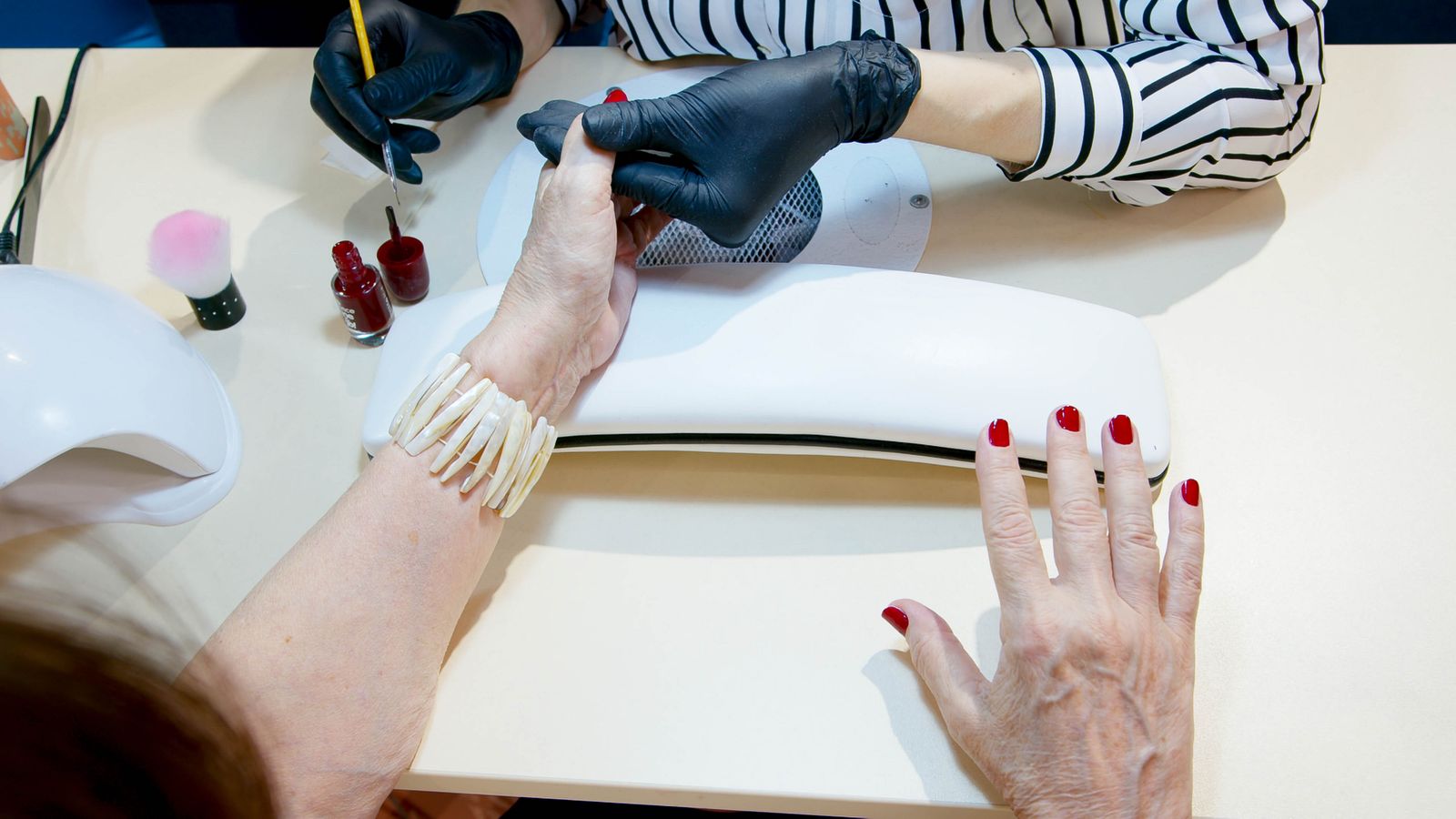
Why cutting goes wrong
Cut cuticle grows back, and it often grows back uneven and harder, which tempts more cutting. It is a loop many people know well: the more the seal is cut, the rougher it looks a week later. The other problem is infection risk. Every nick beside the nail is an opening. A painful, red, throbbing fingertip around the nail fold, called paronychia, commonly starts exactly there, at home with aggressive nippers or in any salon that cuts too much. Clean tools matter, and so does restraint. A technician who declines to cut deeply is protecting you, not skipping a step.
Care at home between appointments
The home version is simple. After a shower, when skin is soft, push the cuticle back gently with a towel or a soft pusher. That is the whole technique. Moisturize daily, especially in winter when Piedmont indoor heating dries skin fast, and use cuticle oil a few times a week if the skin around your nails cracks. Never cut your own cuticles with nippers beyond snipping a hangnail that is already lifted and catching. If a hangnail tears, keep it clean and covered while it heals rather than pulling it, since pulling tears live skin and deepens the wound.
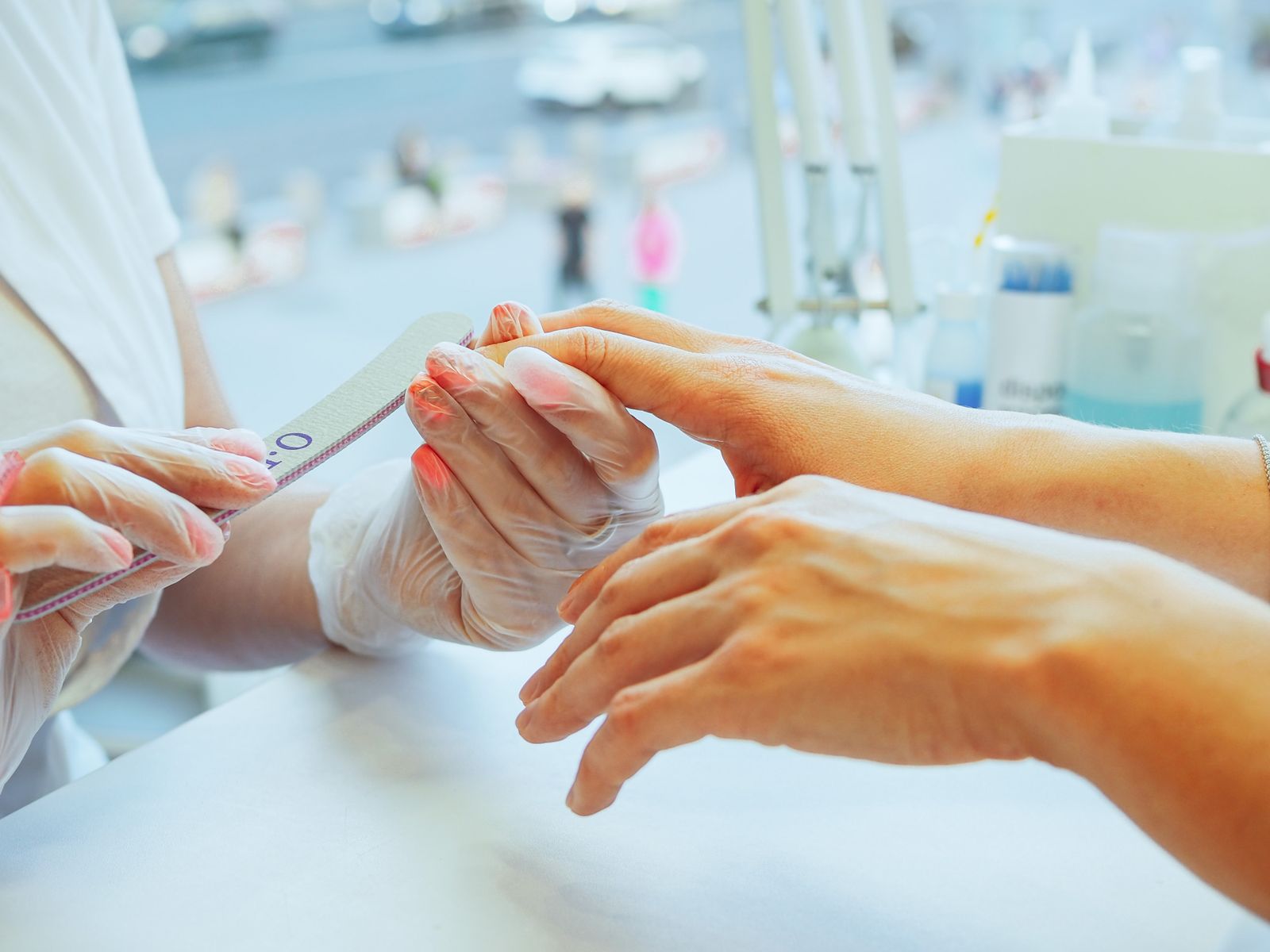
What to tell the technician
Say plainly that you prefer pushing only, especially at a first visit to a new salon. A good technician will not argue; the request is common, and many experienced clients make it. Speak up during the service too. Pushing should feel like pressure, never a sting, and the nippers should appear only for a loose hangnail. If your fingers come home sore, red, or with broken skin around several nails, that service went too far, and the fix is a different conversation or a different salon next time, not tougher skin.
Also mention any job or hobby that is hard on your hands. Gardeners, mechanics, healthcare workers, and frequent swimmers in Mooresville all wash, glove, and scrub more than average, and each habit dries the seal faster. The advice stays the same, push and moisturize, but the frequency goes up, and a technician who knows your routine can shape the appointment around it instead of treating your hands like everyone else's.
One expectation to set: pushed cuticles look best maintained little and often. A monthly manicure plus a ten-second push after showers beats an occasional deep cut by a wide margin, and your nails will show it in smoother polish lines and fewer hangnails through the year.
Common questions
Does cuticle cutting hurt or cause damage?
Proper pushing should not hurt. Deep cutting removes the protective seal, can cause hangnails and infection, and often makes regrowth look rougher.
Why does my salon only push my cuticles?
Because pushing and cleaning the plate is the correct care for living cuticle. Only loose, dead skin should ever be trimmed.
How do I stop hangnails?
Moisturize, push gently after showers, and snip only lifted hangnails cleanly instead of pulling them. Dry winter air makes consistency matter more.
Photos in this guide are representative stock images.
← All guides from T & P Nails← Back to T & P Nails